Robusta vs Arabica Coffee: The Honest Comparison

Written by Nonda Coffee, a Ugandan exporter that grows and ships both species

Coffea Canephora

Robusta

  • Caffeine 2.2 to 2.7 percent
  • Taste Bold, chocolatey, earthy, low acid
  • Crema Thick and persistent
  • Altitude 0 to 1,500m (Uganda: 900 to 1,500m)
  • Price Lower per kg, higher extract yield
VS
Coffea Arabica

Arabica

  • Caffeine 1.2 to 1.5 percent
  • Taste Sweet, fruity, floral, bright acidity
  • Crema Lighter, dissipates faster
  • Altitude 1,000 to 2,200m (Mt Elgon: 1,600m+)
  • Price Premium, grade-driven

Robusta vs Arabica: The Short Answer

Arabica is sweeter, more aromatic and more acidic; robusta is stronger, heavier-bodied and carries about twice the caffeine. Arabica wins filter and pour-over. Robusta wins crema, cost and caffeine, which is why most Italian espresso blends and nearly all instant coffee use it. The best espresso is usually both: an 80/20 or 70/30 arabica-robusta blend. We grow the two species side by side in Uganda, so this comparison has no side to sell.

What Is the Difference Between Robusta and Arabica?

FactorRobustaArabica
SpeciesCoffea canephora, native to Uganda's forestsCoffea arabica, native to Ethiopian highlands
Caffeine2.2 to 2.7 percent, a natural pest defense1.2 to 1.5 percent
Sugars & lipidsLower sugar, lower lipids, hence the harder edgeNearly double the sugars, hence the sweetness
Chlorogenic acidHigher (7 to 10 percent), more bitterness and bodyLower (5.5 to 8 percent)
Cup profileChocolate, nuts, earth, heavy body, low acidityFruit, florals, caramel, bright acidity
Crema in espressoThick, dense, long-lastingThin to moderate
Growing altitudeSea level to 1,500m; Ugandan lots at 900 to 1,500m1,000 to 2,200m; Ugandan Bugisu at 1,600m+
Disease resistanceHigh, hardy in heat and rainLower, vulnerable to leaf rust
Share of world productionRoughly 40 percent and risingRoughly 60 percent
Typical useEspresso blends, instant, cold brew, RTDSpecialty single origin, filter, pour-over
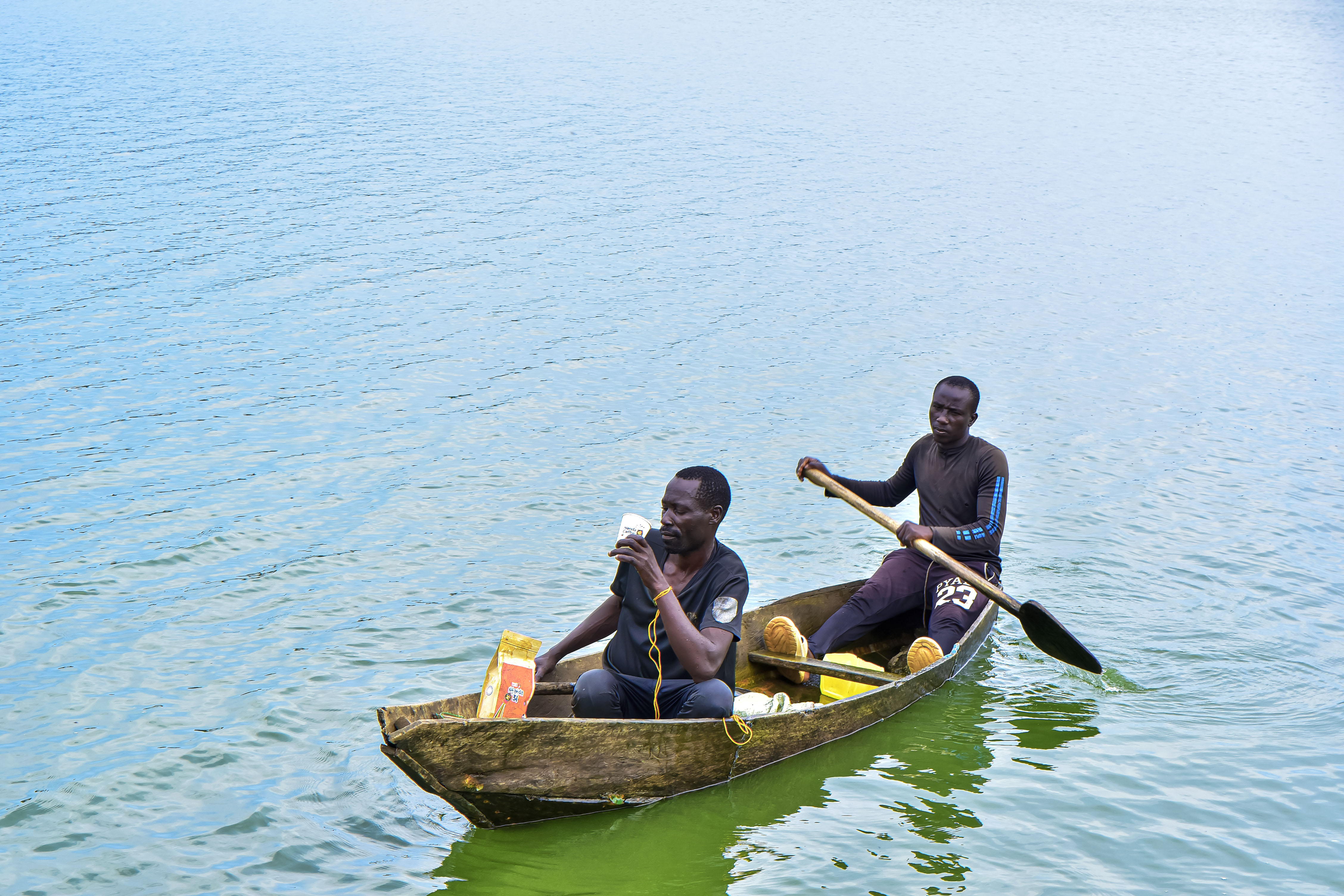
Coffee cupping robusta and arabica in Uganda

What Does Robusta Taste Like Compared to Arabica?

Cup them blind and the difference is unmistakable. Arabica leads with sweetness and acidity: red fruit, caramel, florals. Robusta leads with weight: dark chocolate, roasted nuts, a grainy earthiness and a finish that stays on the palate. Cheap robusta adds rubbery, harsh notes; that reputation comes from low-grown, strip-picked crop. High-grown, hand-picked Ugandan robusta cups clean enough that fine robusta lots now score above 80 points.

Robusta: dark chocolate Robusta: roasted nut Robusta: molasses Arabica: red berries Arabica: caramel Arabica: citrus florals

Which Has More Caffeine, Robusta or Arabica?

Robusta caffeine content2.2 to 2.7%
Arabica caffeine content1.2 to 1.5%

Robusta carries roughly double the caffeine of arabica. In the plant it works as a natural insecticide, which is one reason robusta needs fewer inputs to farm.

Should You Buy Robusta or Arabica?

Espresso Roasters

Blend Both

An 80/20 to 70/30 arabica-robusta ratio adds crema, body and punch while keeping sweetness. Screen 18 robusta is the classic blend component.

Pick: Bugisu AA + Screen 18
Instant & RTD Manufacturers

Robusta

Higher extract yield per kilo means lower cost per finished unit. Screen 15 and 12 are the workhorses of soluble coffee production.

Pick: Screen 15 / Screen 12
Specialty Roasters

Arabica First

Single-origin washed arabica carries the cupping scores and story. Add a washed fine robusta SKU to stand out; it is the fastest-growing niche in specialty.

Pick: Bugisu AA + Washed Robusta
Cold Brew Brands

Robusta-Forward

Cold extraction mutes acidity anyway, so arabica's brightness is wasted. Robusta keeps the chocolate profile and doubles the caffeine claim on your can.

Pick: Screen 18 / Screen 15

Classic Arabica to Robusta Blend Ratios

90/10
Specialty Espresso

A whisper of washed robusta for crema stability without moving the cup profile.

80/20
Northern Italian

The balanced classic. Sweetness up front, robusta body and crema behind it.

60/40
Southern Italian

Naples-style intensity. Thick crema, heavy body, built to cut through milk.

0/100
Fine Robusta

The emerging category. High-grown washed Ugandan robusta served as single origin.

We Grow Both. That Is Why You Can Trust This Page.

Most robusta vs arabica articles are written by roasters selling one of the two. Nonda Coffee exports high-altitude robusta from central Uganda and washed arabica from Mount Elgon at 1,600m+. Whichever side of this comparison fits your product, it ships from our origin.

Robusta vs Arabica FAQ

Is robusta coffee stronger than arabica?
Yes, in every practical sense. Robusta has roughly twice the caffeine (2.2 to 2.7 percent vs 1.2 to 1.5 percent), more body, and a more intense, bitter-leaning cup. Arabica is stronger only in aroma and acidity.
Why is robusta cheaper than arabica?
Robusta is hardier, grows at lower altitudes, resists disease, yields more per tree and needs fewer inputs, so production costs less. It also delivers higher soluble extract per kilo, which compounds the cost advantage for instant coffee manufacturers. Price is about farming economics, not inherent quality.
Why do espresso blends use robusta?
Three reasons: crema, body and cost. Robusta's chemistry produces the thick, persistent crema espresso drinkers expect, adds weight that survives milk, and lowers blend cost. Traditional Italian espresso has used 10 to 40 percent robusta for a century.
Can robusta be specialty coffee?
Yes. Fine robusta is a recognized category with its own cupping protocol. High-grown, hand-picked, fully washed robusta, like Ugandan lots from 1,200m+, cups clean, sweet and chocolatey, scoring above 80 points. It is the fastest-growing frontier in specialty coffee.
Does Uganda grow robusta or arabica?
Both. Around 80 percent of Uganda's production is robusta, grown in the Lake Victoria basin, Busoga, West Nile and the Rwenzori foothills at 900 to 1,500m. The remaining arabica grows on Mount Elgon (Bugisu AA, Sipi Falls) and the Rwenzoris at 1,600 to 2,200m. That mix made Uganda Africa's largest coffee exporter as of May 2025.

Cup Them Side by Side

Request our free dual sample kit: 500g of high-altitude robusta and 500g of Mount Elgon arabica with SCA cupping reports, plus our Espresso Blend Ratio Guide (PDF). Decide with your own palate.

Request the Dual Sample Kit
Chat on WhatsApp