News & Updates
Stay updated with the latest from Nonda Coffee
Latest News
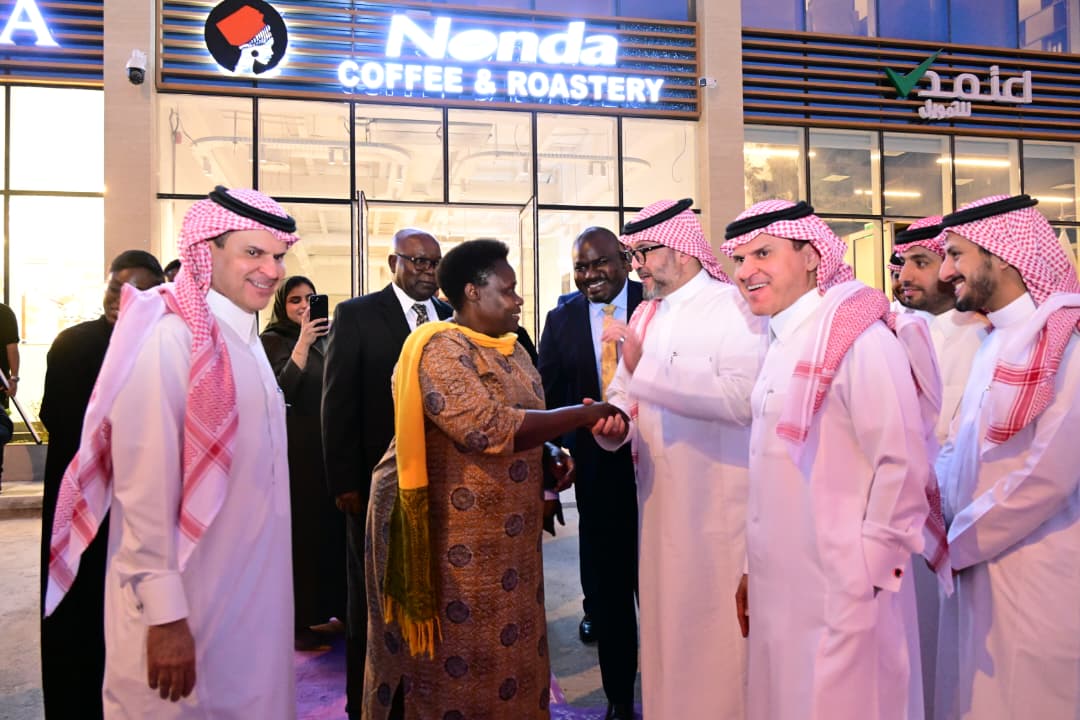
Nonda Coffee Launches Uganda's First Single-Origin Coffee Café in Riyadh
Nonda Coffee, a brand of Nonda Commodities Limited (Uganda), today launched Uganda's first Single-Origin Coffee Café in Riyadh, marking a historic step in positioning Uganda's coffee on the global premium stage.
Read Full Story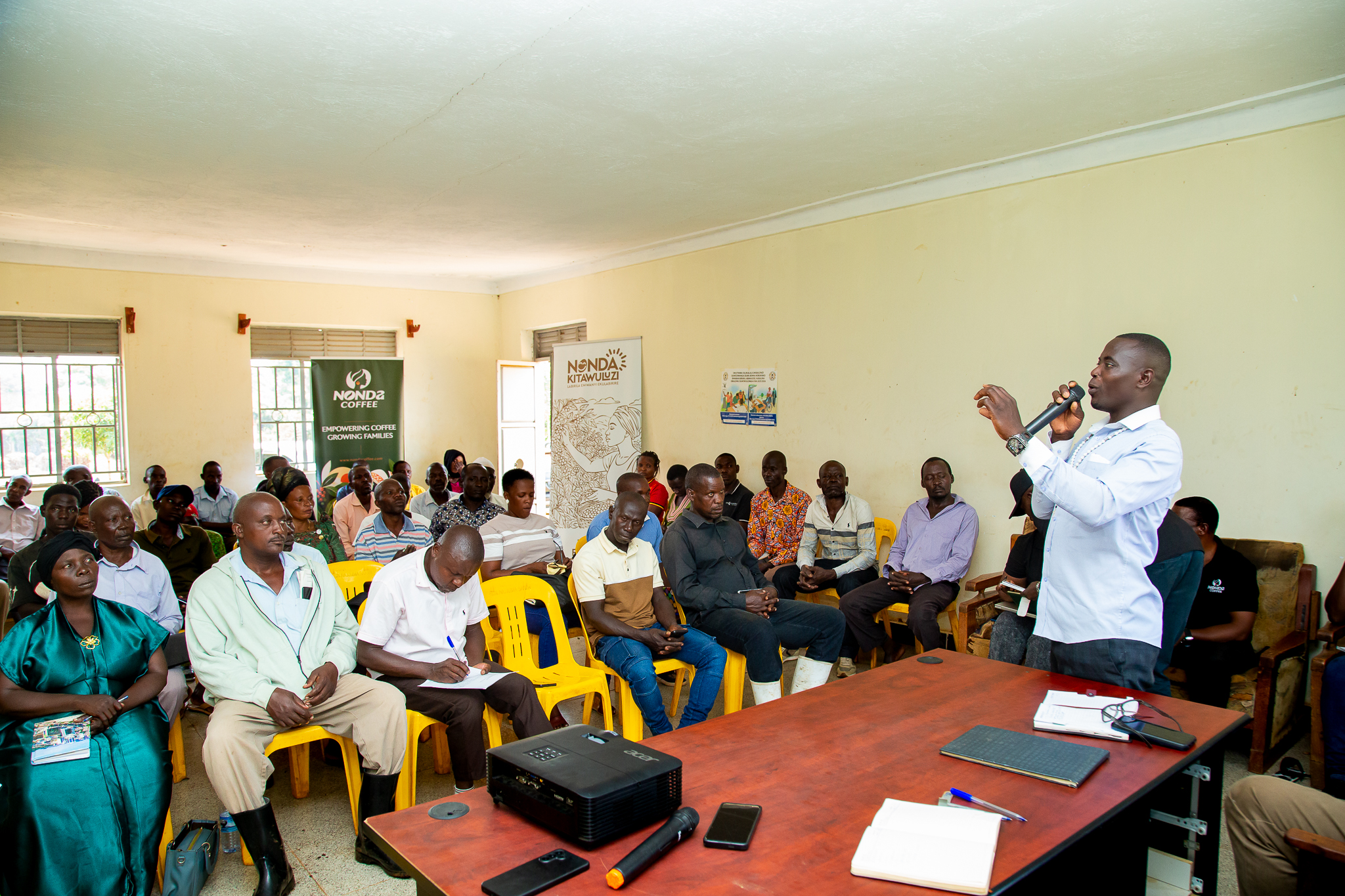
Nonda Kitawuluzi Meets Kito Coffee Farmers as Luwero Prepares for Value Park Groundbreaking
Nonda Kitawuluzi Meets Kito Coffee Farmers as Luwero Prepares for Value Park Groundbreaking
When the Nonda Coffee Value Park breaks ground in October 2026, the farmers of Kito Sub-county will not be spectators. They will be its first suppliers, its closest neighbours, and the community with the most to gain from a facility designed to process 42,000 metric tonnes of green coffee and create 4,085 direct jobs on 100 acres in Butalangu Town Council.
The Nonda Kitawuluzi team's latest farmer engagement session brought that reality into sharp focus.
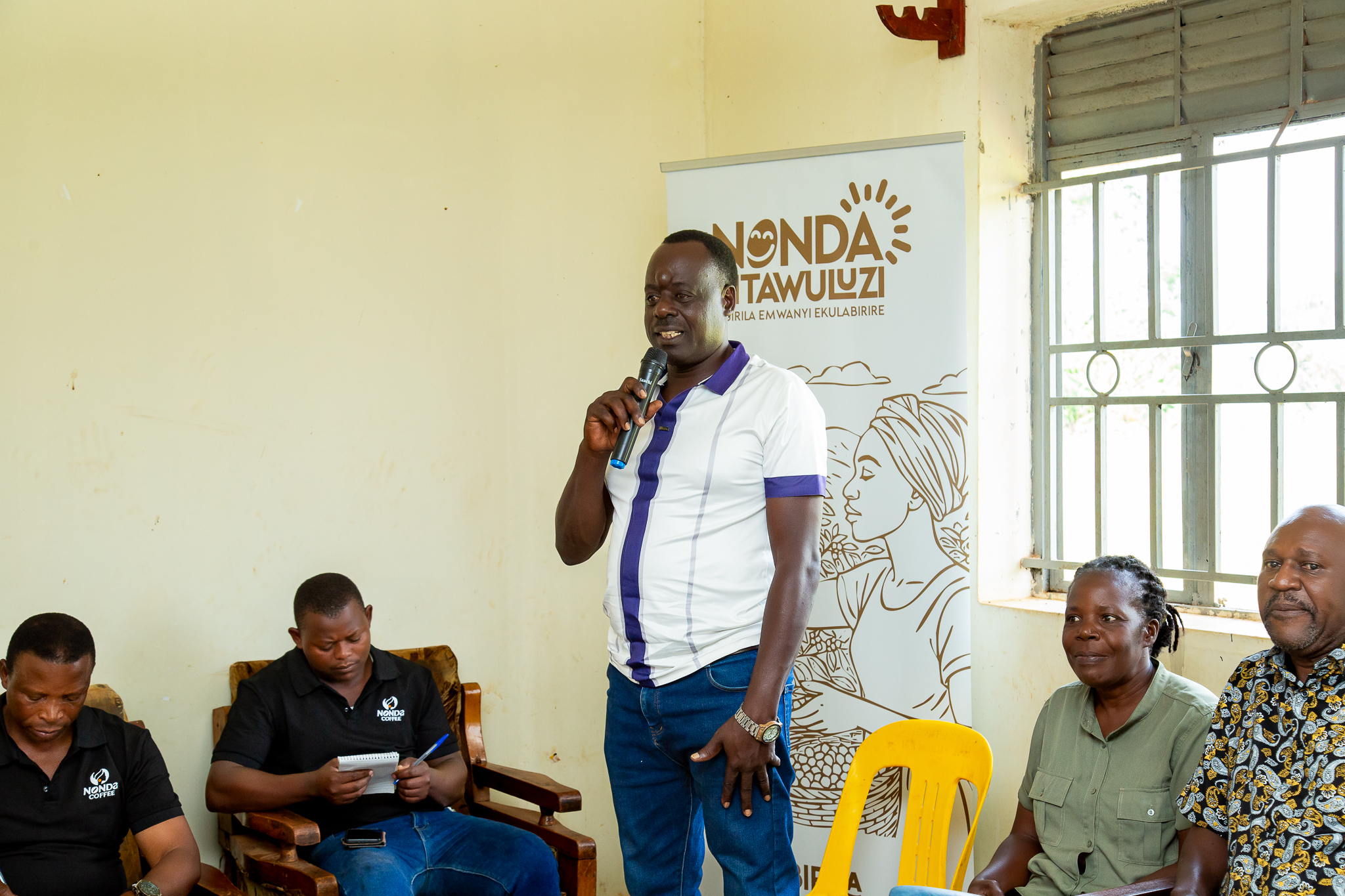
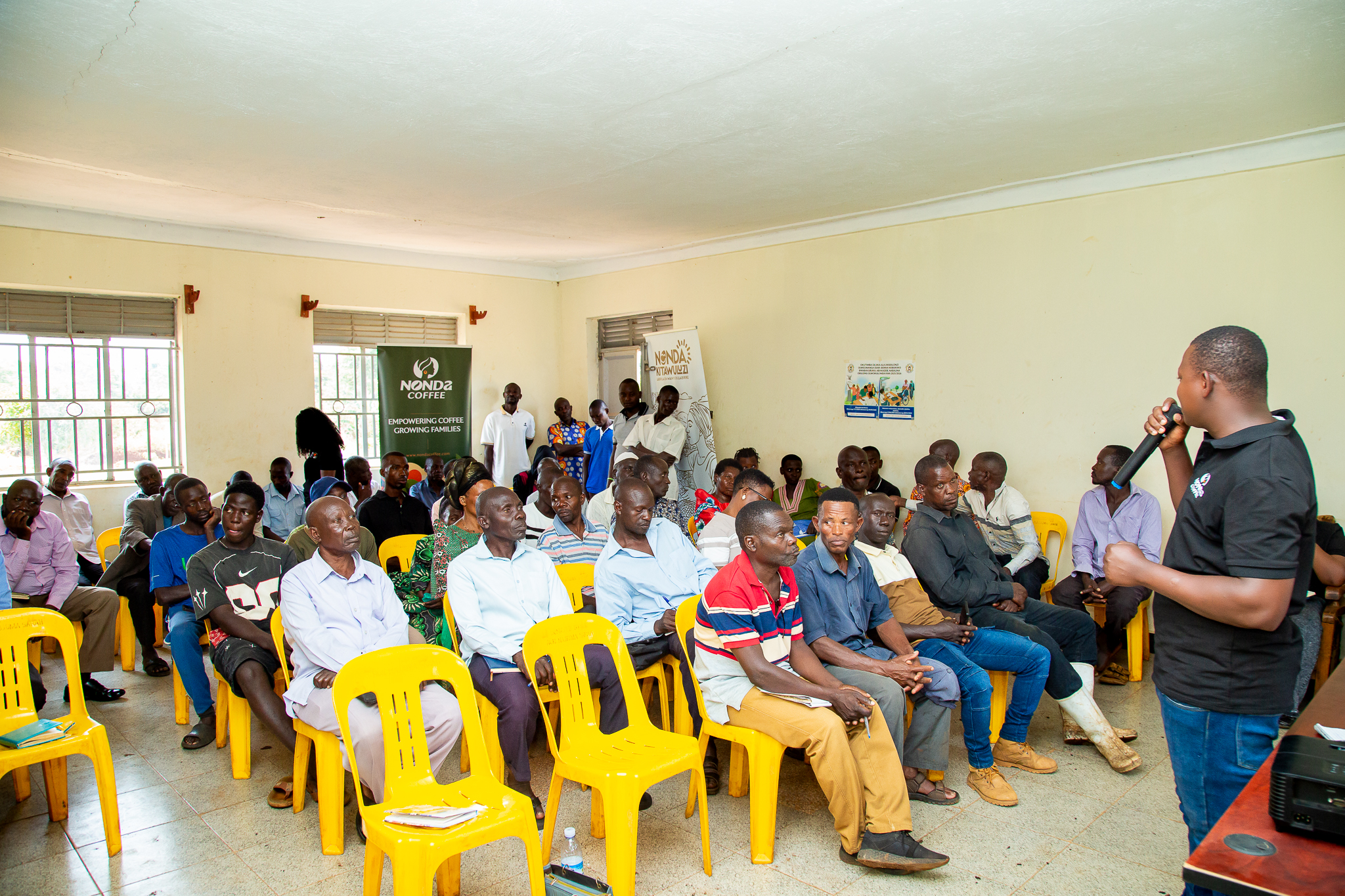
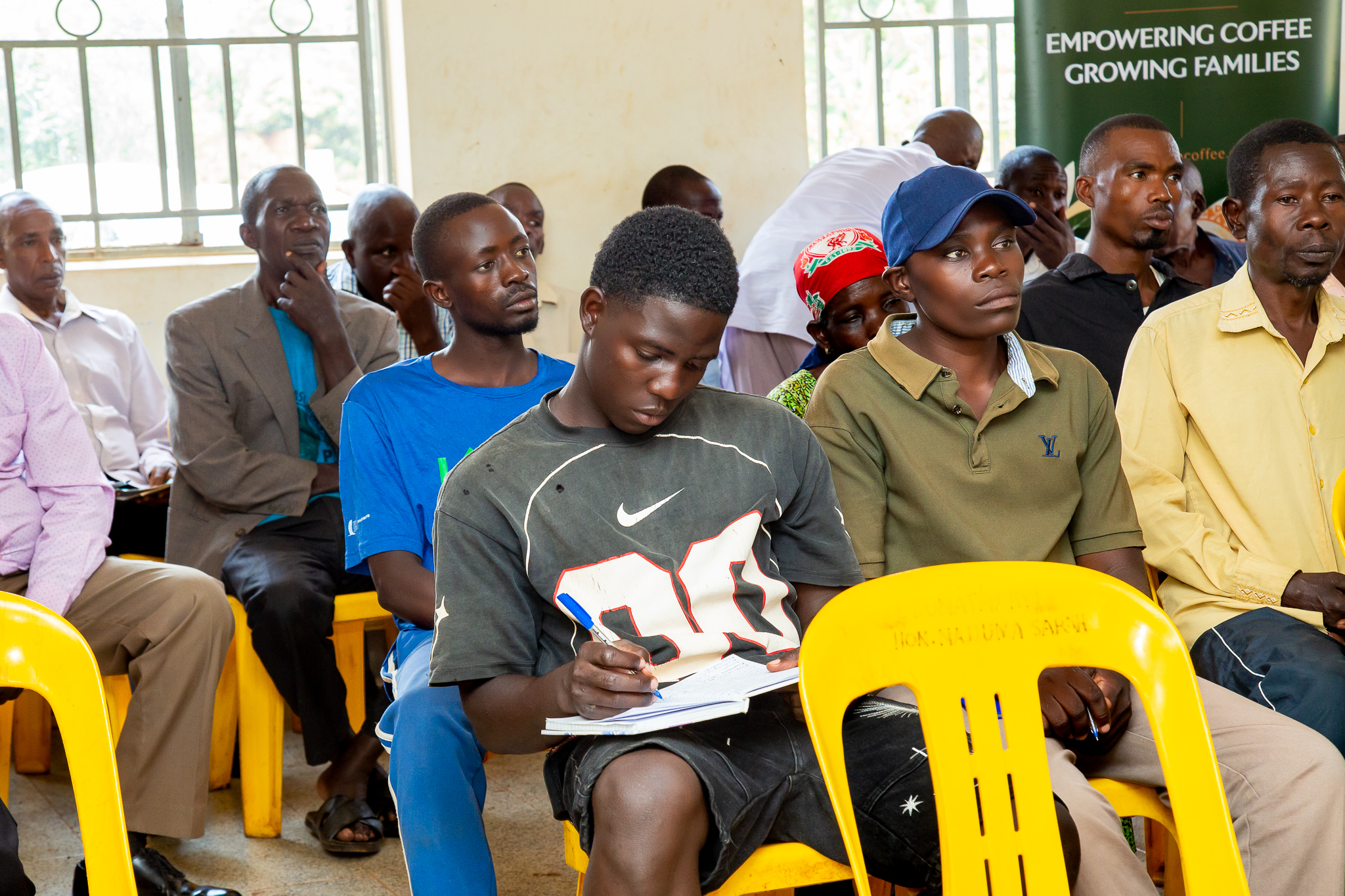
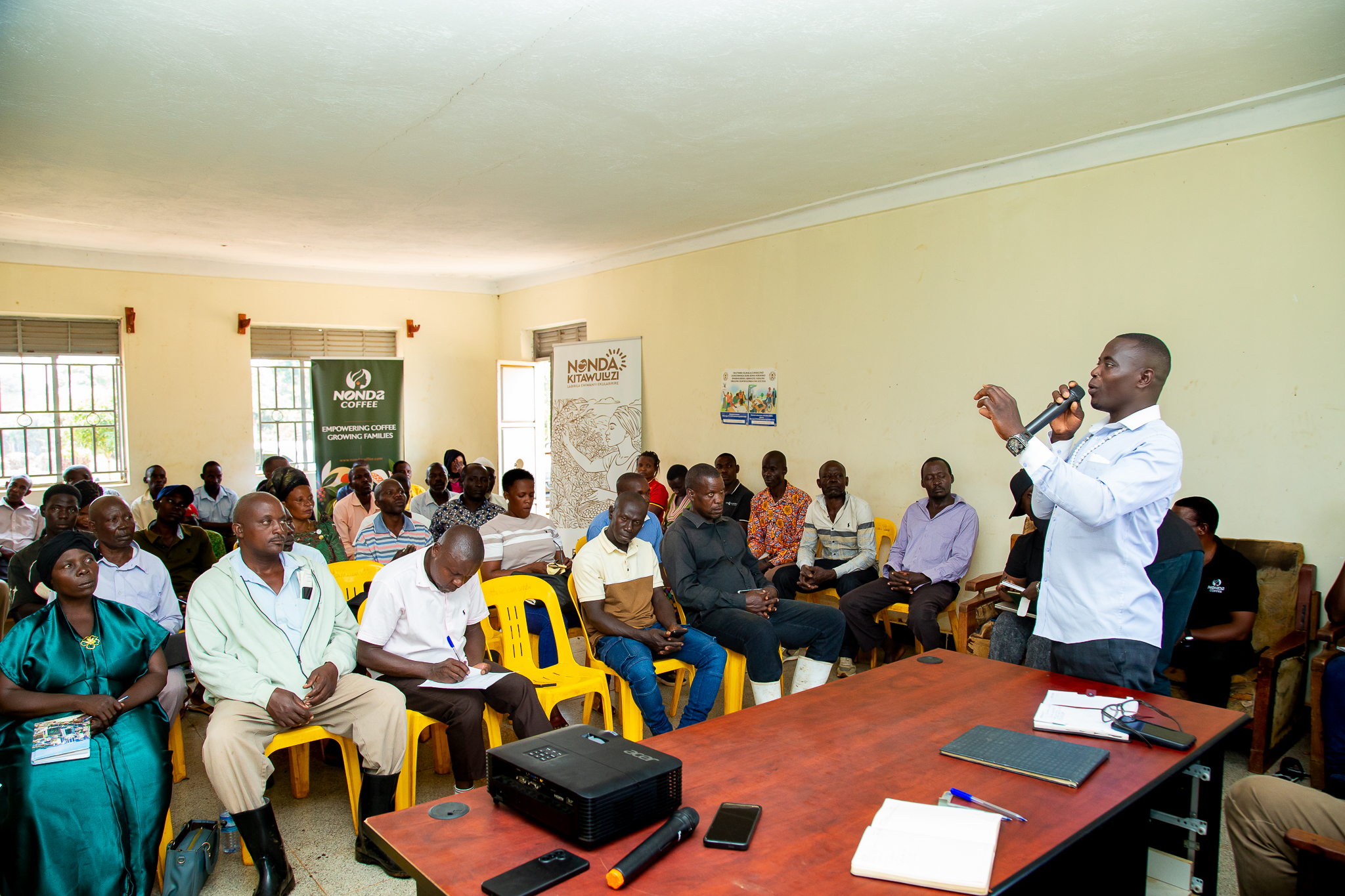
Meeting with coffee farmers in Kito Sub-county, Luwero District, the team moved beyond introductions to the practical work of preparing the host community for industrial-scale coffee processing at its doorstep.
Quick Summary
Kito Sub-county farmers in Luwero District are the immediate host community for the Nonda Coffee Value Park, scheduled to break ground in October 2026.
The engagement focused on land productivity, quality upgrading, and the economics of supplying a processing facility that demands consistent export-grade coffee year-round.
The session follows President Museveni's July 2026 endorsement of the Nonda Coffee Park, which pledged full government support and farmer mobilization for the Value-at-Source Programme.
Ground Zero: Why Kito Sub-county MattersKito sits inside Luwero District, one of the 13 districts in the Nonda Value-at-Source Coffee Project's catchment area. Unlike farmers in districts further from the park, Kito's coffee growers have a geographic advantage that translates directly into lower transport costs, faster delivery to the processing line, and fresher cherry at the point of grading.
But proximity also means visibility. When the park begins operations, the quality of coffee arriving from Kito will be among the first batches international buyers sample. The Kitawuluzi team made this point repeatedly: being closest to the park is an opportunity, but only if the coffee meets the standard.
See the full scope of the Nonda Coffee Value Park
The session drilled into specifics that matter at the farm level. Farmers learned how selective picking (harvesting only ripe red cherries, not green or overripe) can move their coffee from ordinary grade to premium, unlocking prices up to 40% higher at the Kitawuluzi buying centre. They walked through the drying protocols that prevent mold and preserve cup quality. They handled samples of Screen 18 Robusta and Bugisu AA Arabica so they could see, for the first time, what their own coffee needs to look like after processing.
What It Means to Host a Processing Park
For a farmer in Kito who has spent decades selling raw cherry to passing middlemen at whatever price was offered that morning, the math of the Value Park changes everything.
Currently, a kilogram of Robusta cherry sold at farmgate in Luwero fetches a price set by intermediaries who control transport, grading, and access to exporters. The farmer absorbs all the production risk and receives none of the value added downstream: no share of the premium from sorting, milling, grading, or branding.
The Nonda Coffee Value Park collapses that chain. When Nonda Commodities processes coffee at source, in Butalangu Town Council, the same district as Kito, the farmer's cherry travels kilometres instead of hundreds of kilometers to reach a processor. Grading happens at the nearby Kitawuluzi Centre. Payment reflects UCDA benchmark prices plus a quality premium, not a middleman's margin.
"We explained the farmgate-to-park economics in detail," said a Nonda Kitawuluzi field officer present at the Kito session. "A farmer who understands that his cherry becomes part of a container sold to a roaster in Jeddah or Milan thinks differently about quality. He is not just growing coffee anymore. He is supplying a factory."
The park's product lines, from premium roasted and specialty coffee to instant soluble coffee and coffee capsules, each require consistent, high-quality input. That consistency cannot be achieved through spot buying from traders. It requires organized, trained, and traceable farmer clusters, exactly what the Kitawuluzi model builds through its Bubondo Cluster system.
How the Kitawuluzi model organizes farmers from parish to global markets
Presidential Endorsement and What It Means for Luwero Farmers
The Kito engagement took place against the backdrop of a significant development. In July 2026, President Yoweri Kaguta Museveni publicly endorsed the Nonda Coffee Park on social media, naming Nonda Commodities and CEO Tony Miiro directly, and pledging full government support for the Value-at-Source Programme and farmer mobilisation efforts.
For Luwero farmers, the endorsement is more than political approval. It signals that the infrastructure, roads, and extension services the park requires will have government backing. The President's commitment to mobilising farmers aligns directly with what Kitawuluzi field teams are doing on the ground in sub-counties like Kito: registering farmers, mapping farms with GPS, organising Bubondo Clusters, and quality training.
The endorsement also validates what farmers in Kito told the Kitawuluzi team: that after years of programs that promised transformation and delivered pamphlets, this one feels different because the physical evidence is coming. A 100-acre processing facility does not fit in a pamphlet.
Farmer Readiness: The Questions Kito Farmers Asked
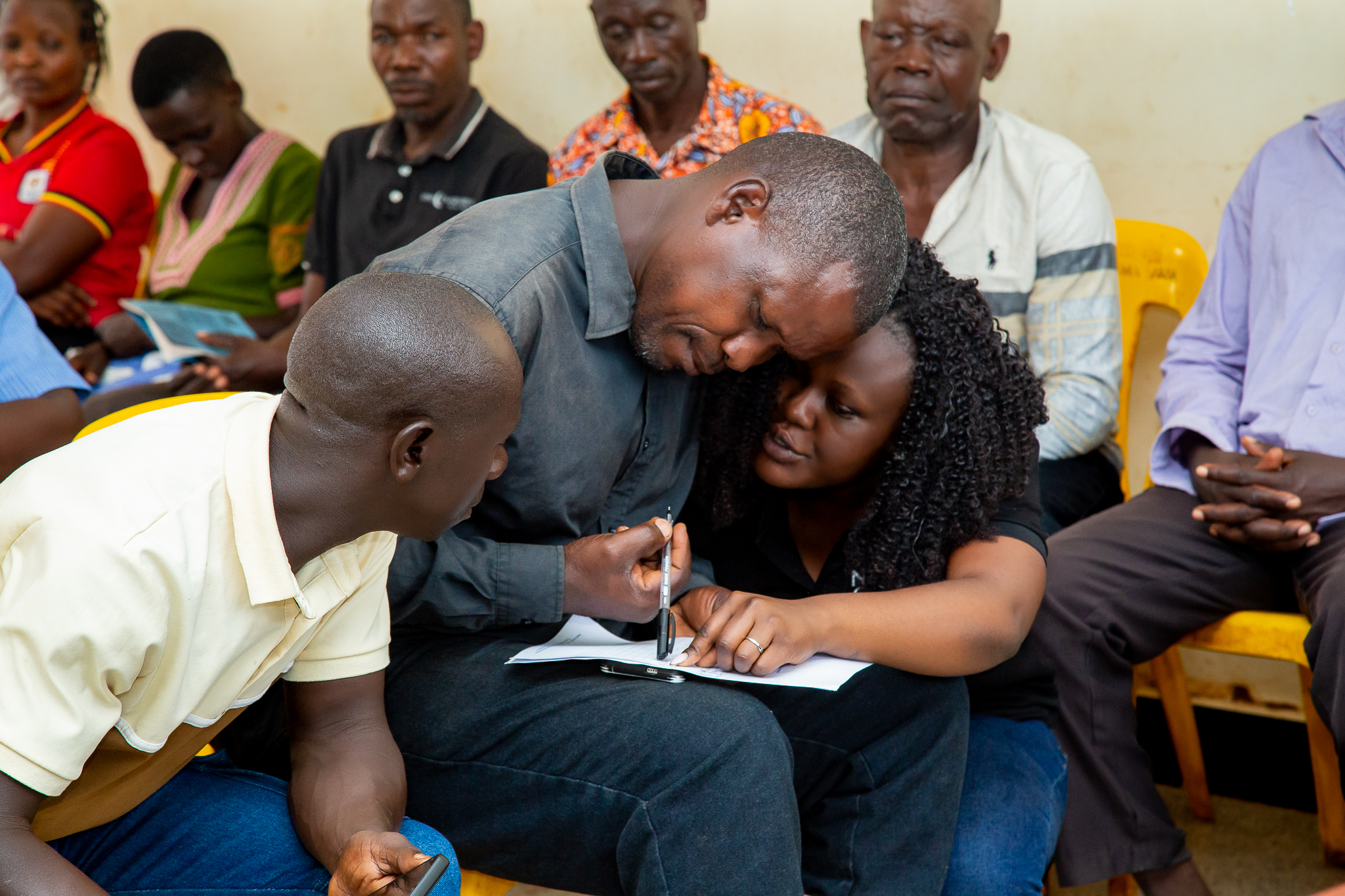
The Q&A portion of the Kito session revealed farmers who were engaged, specific, and focused on the economics. Their questions were not about whether the park would happen but about how to position themselves to benefit when it does.
"How much coffee do I need to produce to supply the park directly?"
The answer: through a Bubondo Cluster, even a farmer with two acres can participate. The cluster aggregates production from 10 to 15 farmers, creating volumes large enough to justify dedicated logistics. Individual farmers do not need to fill containers. They need to fill quality standards.
"What happens to my coffee if the park is not yet operational during this harvest season?"
Kitawuluzi Centres are already buying. The park is the destination, but the buying infrastructure (183 centres across 13 districts) is operational now. Farmers registered in Bubondo Clusters can sell at Kitawuluzi Centre prices immediately.
"Will the park buy all grades or only premium?"
The park will process multiple product lines, from commodity-grade instant coffee to premium specialty roasted coffee. Different grades go to different products. The key is traceability: if the park knows which farm produced which batch, every grade finds its optimal use. Farmers who register and tag their production are first in line regardless of grade.
The session ran longer than scheduled because the questions kept coming. Farmers wanted to understand payment timelines, the weight and moisture content standards at the buying centre, and whether organic certification would command an additional premium (answer: yes, and Kitawuluzi extension officers will guide interested clusters through the certification process).
The Five Promises, Made Concrete in Luwero
Every Nonda Kitawuluzi engagement anchors on five promises to farmers: fair prices, quality support, reliable markets, business skills, and continuous support. In Kito, the team translated each promise into a concrete commitment tied to the Luwero context.
Fair prices mean a formula tied to UCDA benchmarks with a published quality premium, not a negotiable number.
Quality support means extension officers visiting Bubondo Clusters on a schedule, not a one-time training.
Reliable markets means the park's processing demand creating year-round buying, not seasonal purchasing.
Business skills means farmers learning to read price sheets, calculate input costs, and plan cash flow, not just agronomy.
Continuous support means the Kitawuluzi Centre remains open and staffed regardless of harvest cycles.
"When farmers prosper, Uganda prospers" is not a closing line in Kito. It is being built, one cluster at a time, in the district that will host the engine of that prosperity.
Partner with Nonda as a coffee buyer or supplier
The Road to October
With the October 2026 groundbreaking approaching, engagements like the Kito session are accelerating. Every sub-county in Luwero District is on the Kitawuluzi schedule. Every farmer cluster formed now will be operational before the park's first processing line fires up.
The Value-at-Source model, endorsed at the highest level of government and backed by Nonda Commodities' investment in physical infrastructure, is moving from planning to execution. For the farmers of Kito Sub-county who raised their hands to join Bubondo Clusters, the transformation is not a promise. It is a countdown.
Explore the full Value-at-Source Programme
Frequently Asked Questions
Where exactly is the Nonda Coffee Value Park being built?
The Nonda Coffee Value Park is being built in Butalangu Town Council, within the broader Luwero and Nakaseke District area. The 100-acre facility is the centrepiece of Nonda Commodities' Value-at-Source Coffee Programme, with groundbreaking scheduled for October 2026.
How does a farmer in Kito Sub-county join a Bubondo Cluster?
Farmers in Kito and surrounding sub-counties can join by attending a Kitawuluzi community engagement session, registering their farm for GPS mapping, and being grouped into a Bubondo Cluster of 10 to 15 neighbouring farmers. Each cluster receives a lead farmer, a training schedule, and a direct connection to the nearest Kitawuluzi Centre for aggregation and sales.
What is the difference between a Kitawuluzi Centre and the Nonda Coffee Value Park?
Kitawuluzi Centres are local aggregation and buying points where farmers deliver cherry, receive grading, and get paid. There are 183 centres across 13 districts. The Nonda Coffee Value Park is the industrial processing facility where aggregated coffee is milled, graded, roasted, packaged, and prepared for export to over 60 countries. The centres feed the park. The park feeds global markets.
What did President Museveni's endorsement mean for the project?
President Museveni endorsed the Nonda Coffee Park in July 2026, naming Nonda Commodities and CEO Tony Miiro directly. He pledged full government support for the Value-at-Source Programme, including farmer mobilization. The endorsement accelerates government cooperation on infrastructure, extension services, and regulatory support for the park and its farmer network.